
Whoa! Wallets are boring until they aren’t. They sit there, in the background, quietly deciding whether your morning coffee purchase becomes a gas drain or a clever swap. My instinct says wallets are the unsung gatekeepers of DeFi, and honestly the UX makes or breaks trust. Initially I thought all extensions were roughly the same, but then the differences—small nitty-gritty ones—started to matter a lot.
Seriously? Yep. Security isn’t just about cold storage or seed phrases. Permission boundaries, RPC selection, and how a wallet simulates transactions before you sign are huge. Most users only notice after something goes wrong—like a rogue allowance or an unexpected cross-chain swap—though actually, wait—let me rephrase that: the little prompts, the context lines, the transaction details, those are where errors creep in. On one hand, extensions can be dangerously permissive; on the other, they can be the most practical on-ramps to DeFi for everyday folks. Something felt off about the old model—too many blanket approvals, too little clarity.
Hmm… here’s the thing. UX isn’t fluff. A good wallet reduces cognitive load, and that saves money (yes, literally). Short confirmations, clear token images, and readable gas breakdowns cut mistakes. Longer thought: when a wallet bundles meta-transactions, transaction simulation, and hardware-signing in one coherent flow, it helps both newcomers and power users avoid costly slip-ups, because they can verify what actually happens before they commit.
Okay, so check this out—there are a few pragmatic design patterns that matter most. First, transaction simulation: before the signature hits an L2 or mainnet, users should see an actionable preview of what will occur (token flows, contract calls, allowance changes). Second, granular permissions: apps should request only what they need and explain why, with obvious ways to revoke. Third, network handling: intelligent RPC failover and clear network labels prevent accidental chain mix-ups. These three together cut a lot of common losses.
I’ll be honest—developers tend to optimize for their own workflow, not the user’s brain. That part bugs me. There’s a gulf between a developer’s shorthand and a user’s mental model. (oh, and by the way…) wallets that try to bridge that gap often do best, even if they’re not perfect. I’m biased toward tools that are transparent rather than opaque, even when transparency requires more UI work.
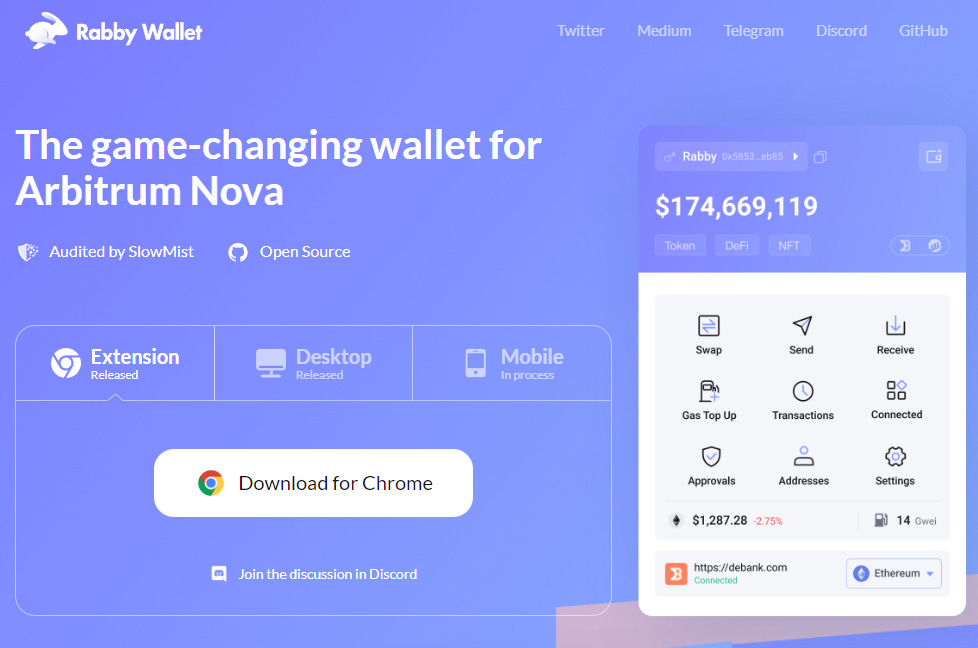
Where Rabby Wallet Fits In
Check this out—rabby wallet is one of those extensions that nudges in the right direction. It combines multi-account management with transaction simulation, and it makes approvals more explicit. Users like the ability to preview a transaction’s internal calls before signing, because that prevents surprises from multisig flows or complex DeFi interactions. Though actually, it’s not flawless—network labeling can still be clearer and some UX pathways feel forked, but the core ideas are well-implemented.
On the technical side, a wallet’s security posture is multi-layered. Seed phrase protection is table stakes. Beyond that, local key encryption, hardware wallet integrations, and a conservative default for contract approvals help. Longer, more complex thought: when a wallet supports hardware signing and keeps the UX such that users don’t bypass it for convenience, the risk surface shrinks because fewer high-value transactions expose raw keys to the browser context.
Power users crave advanced features. They want custom RPCs, session-based approvals, account abstraction hints, and atomic transaction batching. Casual users want clarity and hand-holding. The hard part is designing for both without overwhelming either group. Initially I thought a toggle for “power mode” would do it, but then realized a layered approach—progressive disclosure—is better, because it keeps the cognitive load low until someone asks for the extra controls.
Something else—extensions must think like a pair of glasses for the user, not like a remote control. Short sentence. Longer sentence: the goal is a wallet that clarifies intent, warns objectively, and logs actions in a readable timeline so you can audit past approvals without digging through cryptic contract addresses. Users often forget approvals; a clear revocation interface is a small feature with huge upside.
Integration with dApps matters too. A smooth handoff between the dApp and the wallet—meaning clear context, readable calldata, and fallback explanations when a call is complex—reduces accidental approvals. On the other hand, if a dApp hides steps or the wallet refuses to show internal calls, trust erodes fast. There’s a behavioral element here: if people trust the wallet, they try more sophisticated DeFi paths; if they don’t, activity drops.
Regionally, US users tend to expect polished UX and strong customer-facing support cues, which is why localized copy and clear support pathways make a difference. I’m not 100% sure about every market nuance, but in the States a mislabelled network or a confusing error leads to faster churn. In other words, polish matters commercially, not just aesthetically.
Quick tangent: wallet extensions are often the first contact point between a user and on-chain identity. That means default privacy settings, telemetry opt-ins, and account naming conventions matter more than most teams realize. Trailing thought… privacy choices can be subtle, and users seldom read the fine print.
Practical Tips for Choosing an Ethereum Extension Wallet
Short checklist first. 1) Look for transaction simulation and readable calldata. 2) Prefer wallets with hardware support and conservative approval defaults. 3) Check for easy revocation and account management. Medium sentence: prioritize wallets that explain what a contract call will actually do, not just the gas cost. Longer sentence: if a wallet can show the exact token movements and approval changes that will happen as a result of a transaction—down to the inner calls—then it reduces the chance of blind trust, because users can validate effects before pressing confirm.
Watch out for dark patterns. Some extensions make approval dialogs ambiguous or bury revoke options. Say no to auto-approve flows unless you 100% know the dApp and the smart contract. I’m biased, but conservative defaults are safer for most people. Really.
FAQ
Is a browser extension wallet safe for large holdings?
Short answer: not ideal for long-term cold storage. Medium: extension wallets are convenient for active trading and interacting with dApps. Long answer: use a layered approach—keep day-to-day funds in the extension and move larger balances to hardware wallets or multisig solutions, and always use a wallet that supports hardware signing so high-value txs require a physical device.
Can Rabby Wallet work with hardware devices?
Yes, many modern extension wallets, including the one linked above, integrate with hardware keys so signatures can be performed off-browser. That arrangement reduces key exposure and gives you a safety net for high-stakes operations.
To wrap up (but not summarizing like a robot)—wallet choice shapes behavior. A better wallet nudges smarter habits. Honestly, I’m a bit picky, and somethin’ about clear transaction previews just feels right. There’s more to test, and some flows still need polish, but wallets that focus on clarity, permission hygiene, and hardware compatibility are worth a look. Really, give the approach a try and see how your risk profile changes; you might be surprised.